The Allure of Olive Garden's Zuppa Toscana: An American Favorite
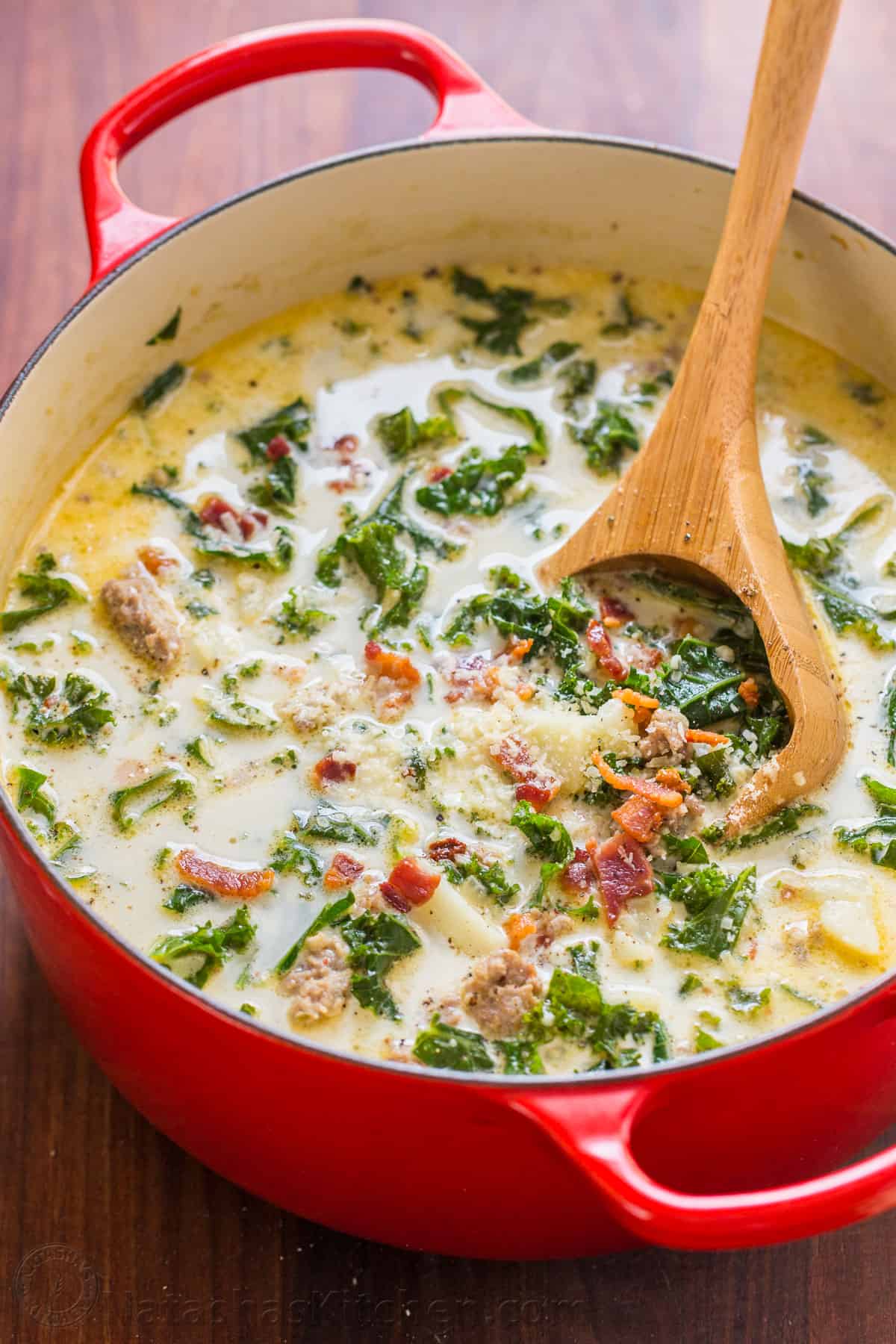
Few dishes command the same level of comfort and recognition in the American casual dining landscape as Olive Garden’s Zuppa Toscana. This creamy, savory soup, brimming with crumbled Italian sausage, tender potatoes, and vibrant kale, has become a cult classic, a go-to for countless diners seeking warmth and hearty satisfaction. For many, it's synonymous with a cozy meal, especially when the weather turns cold and windy outside, making the idea of a rich, slurpable broth utterly irresistible.
The soup’s widespread popularity isn't hard to fathom. Its combination of familiar flavors – the subtle spice of pork sausage, the comforting starchiness of potatoes, and the earthy bitterness of kale – all suspended in a lightly creamy broth, hits a sweet spot for the American palate. It’s a dish that evokes feelings of being wrapped in a warm blanket, a one-pot meal that promises safety and comfort, often served alongside unlimited breadsticks. This potent blend of accessibility, deliciousness, and a perceived "Italian" heritage has cemented its place as a perennial customer favorite. But how truly "Tuscan" is this beloved interpretation of homemade Zuppa Toscana: Cozy Comfort in One Pot?
A Culinary Journey to True Tuscany: What is Real Zuppa Toscana?
To truly understand the question of authenticity, one must first journey to Tuscany itself, a region of Italy renowned for its rustic, humble, yet incredibly flavorful cuisine. A culinary expert with extensive experience living and working on a Tuscan farm and serving as sous chef to a world authority on Tuscan cooking, Cesare Casella, can confidently attest that the Olive Garden's Zuppa Toscana bears little resemblance to anything you'd typically find in a traditional Tuscan home or trattoria.
Tuscan cooking, often rooted in the concept of cucina povera (poor kitchen), prioritizes simple, seasonal ingredients and ingenious ways to make them shine. Iconic Tuscan soups are masterpieces of this philosophy. Consider:
- Acquacotta: A "cooked water" soup, often featuring stale bread, eggs, vegetables, and sometimes mushrooms, emblematic of a peasant dish designed to use what was available.
- Ribollita: A hearty, thick vegetable and bread soup, literally meaning "reboiled," as it often tastes even better the second day after the flavors have melded.
- Pappa al Pomodoro: A thick tomato and bread soup, celebrated for its robust tomato flavor and tender, soaked bread texture.
- Chickpea Stews: Numerous variations showcasing the region's love for legumes.
- Cacciucco: A rich seafood stew from the coastal areas, packed with various fish and shellfish.
What these authentic Tuscan soups share is a focus on fresh, regional produce, hearty grains and beans, and often, the clever use of day-old bread to thicken and enrich. They are typically earthy, savory, and less reliant on cream or heavy dairy. The concept of a creamy soup combining sausage, kale, and potatoes, while undeniably delicious, simply doesn't align with the historical or traditional culinary landscape of Tuscany. While Tuscan cuisine does feature pork sausage and vegetables, their typical preparation in a soup would lean towards clear broths or the natural starchiness of beans or bread to provide body, not a rich, dairy-based creaminess.
Deconstructing Olive Garden's Version: A Tale of Two Soups
When critically assessing Olive Garden's Zuppa Toscana, it's important to separate its quality as an enjoyable dish from its claim to Tuscan authenticity. From a culinary perspective, the soup's fundamental concept – the combination of savory sausage, fresh kale, and tender potato in a warm broth – is undeniably solid. It's a comforting trio that has all the makings of a great meal.
However, where the Olive Garden version often falls short, according to expert palates, is in its execution and integration. The components, while individually tasty, may not always blend seamlessly. The flavors, instead of harmonizing and infusing the broth with a soulful depth, can sometimes remain somewhat distinct. The broth, while creamy, might lack the natural thickness and richness that comes from ingredients slowly breaking down and melding together. This isn't to say it isn't good – for many, it's the best thing on Olive Garden's menu – but it often misses that "soulful touch" that elevates a good dish to a truly great one.
The difference lies in how a dish is constructed. In an ideal Zuppa Toscana, the fennel-tinged pork sausage would not just be an add-in; its fat and flavor would slowly render and infuse into the broth, becoming the very foundation of the soup's character. The potatoes would cook until some began to break down, naturally thickening the broth while leaving behind tender nubbins that melt in your mouth. The kale would be generous and tender, adding a slight bitterness that balances the richness, not merely an afterthought. And the creaminess of the broth would be achieved with a delicate touch, just enough to add richness without becoming heavy or overwhelming. A subtle undercurrent of chile heat, perhaps from red pepper flakes or spicy sausage, would quietly vibrate through the entire dish, enhancing every spoonful. For those looking to bridge this gap and elevate their own Perfect Zuppa Toscana: Elevating Olive Garden's Classic, these details are key.
From Restaurant to Home: Crafting a Soulful Zuppa Toscana
The true magic of Zuppa Toscana, whether inspired by Olive Garden or a more traditional ideal, comes alive when crafted at home. It's here that you can imbue the dish with that missing "soulful touch" and ensure every component contributes to a unified, harmonious experience. Making it yourself offers an opportunity to control the quality of ingredients and the depth of flavor, transforming a familiar comfort food into something truly exceptional.
Tips for an Unforgettable Homemade Zuppa Toscana:
- Start with Superior Sausage: Don't skimp on quality. Use a good fennel-tinged Italian pork sausage. Brown it well in your pot, rendering out its fat. This fat, infused with the sausage's flavor, will become the aromatic base for your soup.
- Layer Your Aromatics: Sauté diced onion and minced garlic in the rendered sausage fat until fragrant. This foundational layer is crucial for depth of flavor.
- Build a Robust Broth: Choose a high-quality chicken or vegetable broth. Allow the flavors of the sausage and aromatics to meld into the broth over time. Consider adding a splash of dry white wine for extra complexity.
- Perfect Your Potatoes: Use starchy potatoes like Russets or Yukon Golds. Cut them into consistent, bite-sized pieces. Cook them directly in the broth until fork-tender. As they cook, some will naturally break down, creating a wonderful, subtle thickness without needing heavy starches.
- Embrace the Kale: Add a generous amount of fresh kale (de-stemmed and chopped) towards the end of the cooking process. It should wilt down, becoming tender but still retaining a vibrant color and slight bite.
- Achieve Balanced Creaminess: For that signature creamy texture, stir in heavy cream or half-and-half only after the potatoes are cooked. Heat it gently, don't boil aggressively, to prevent separation. The goal is a rich, slurpable broth, not an overly thick stew.
- Introduce Subtle Heat: A pinch of red pepper flakes, added with the aromatics or stirred in at the end, will provide a quiet, warming heat that elevates all the other flavors without overwhelming them.
- Let it Mingle: Allow the soup to simmer gently for a bit after all ingredients are added. This gives the flavors time to truly meld and integrate, transforming disparate elements into a unified, comforting dish.
The beauty of a homemade Zuppa Toscana lies in its humble simplicity yielding profound deliciousness. It’s a dish that, when done right, offers more than just sustenance; it offers a moment of pure culinary bliss, perfect for a cold evening with warm, crusty bread for dunking.
Conclusion: Beyond Authenticity to Comfort and Craft
While Olive Garden's Zuppa Toscana may not be an authentic representation of traditional Tuscan cuisine, its popularity is undeniable, and its comforting qualities are cherished by many. It serves as a fantastic blueprint for an American-Italian classic that provides warmth and satisfaction.
However, armed with a deeper understanding of genuine Tuscan culinary principles and a few thoughtful techniques, you can elevate this beloved soup to new heights in your own kitchen. By focusing on quality ingredients, proper layering of flavors, and the mindful integration of each component, you can transform a simple restaurant favorite into a soulful, truly unforgettable meal. Whether you call it Zuppa Toscana or simply "my favorite cozy soup," the journey from its Americanized origins to a beautifully crafted homemade version is a rewarding one, promising comfort in every integrated, flavorful spoonful.
